Stuart Waterfront Or Inland Second Home Options
Dreaming about a second home in Stuart but unsure whether the right fit is on the water or farther inland? That choice can shape how you spend your time, what upkeep you take on, and how easy the home is to enjoy when you are only in town part of the year. If you are weighing lifestyle against simplicity, this guide will help you compare both paths and make a more confident decision. Let’s dive in.
Stuart gives second-home buyers a very specific lifestyle decision because water is such a major part of the area. The city sits near the St. Lucie River, the Indian River Lagoon, and the St. Lucie Inlet, which connects these tidal waters to the Atlantic Ocean and the Intracoastal Waterway. That means you can enjoy a coastal setting in more than one way, either by living directly on the water or by staying inland and using those amenities when you want them.
For many buyers, the question is not whether Stuart offers a waterfront lifestyle. It does. The real question is how close you need to be to that lifestyle for your second home to feel worth it.
A waterfront second home in Stuart is often about direct access and daily scenery. If your ideal mornings include stepping outside to a dock, launching a kayak nearby, or watching the river from your patio, waterfront living can deliver a strong lifestyle payoff. It tends to feel immersive in a way inland homes usually do not.
Martin County supports that water-focused lifestyle with paddling trails across 37.7 miles of the Indian River Lagoon and the St. Lucie River. Stuart also has county-identified boat ramps such as Sandsprit Park, Stuart Causeway, Shepard Park, Broward Street, Jimmy Graham Park, and Phipps Park, along with marina sites in the local waterfront area. For beach days, Stuart Beach and Bathtub Beach are county-maintained options in the area.
If water access is the main reason you are buying, waterfront may be the better fit. It can make boating, fishing, paddling, and beach-oriented living feel more spontaneous and more central to your routine. For some seasonal owners, that convenience is the whole point of owning in Stuart.
Waterfront ownership may be especially appealing if you want:
The tradeoff is that waterfront homes often require more planning and oversight. In Martin County, a permit is required to construct a dock or boatlift, so buyers need to think beyond the house itself and consider what water-dependent improvements may be needed. If a property already has these features, you still want to evaluate their condition and long-term maintenance needs.
Flood exposure is another major part of the waterfront decision. Martin County notes that low-lying coastal areas can be affected by king tides, and the county encourages buyers to review flood-zone status and flood insurance needs, especially in Special Flood Hazard Areas. Florida also requires a flood disclosure for residential sales at or before contract execution, which makes early due diligence especially important.
A waterfront address does not always mean the same experience every day of the year. Martin County monitors beach and river water conditions and posts advisories when needed, including algae and bacteria issues affecting the St. Lucie River and nearby beaches. That is important if you expect frequent swimming, boating, or paddling during your seasonal stays.
Boaters should also understand that the St. Lucie Inlet is a shallow-draft inlet that can shoal and requires periodic dredging. If reliable boating access is one of your top priorities, that local detail deserves attention as you compare properties and usage plans.
Inland second homes offer a different kind of value. Instead of maximizing direct water access, they often prioritize ease, flexibility, and simpler seasonal ownership. For many buyers, especially those who split time between states, that can be a very smart trade.
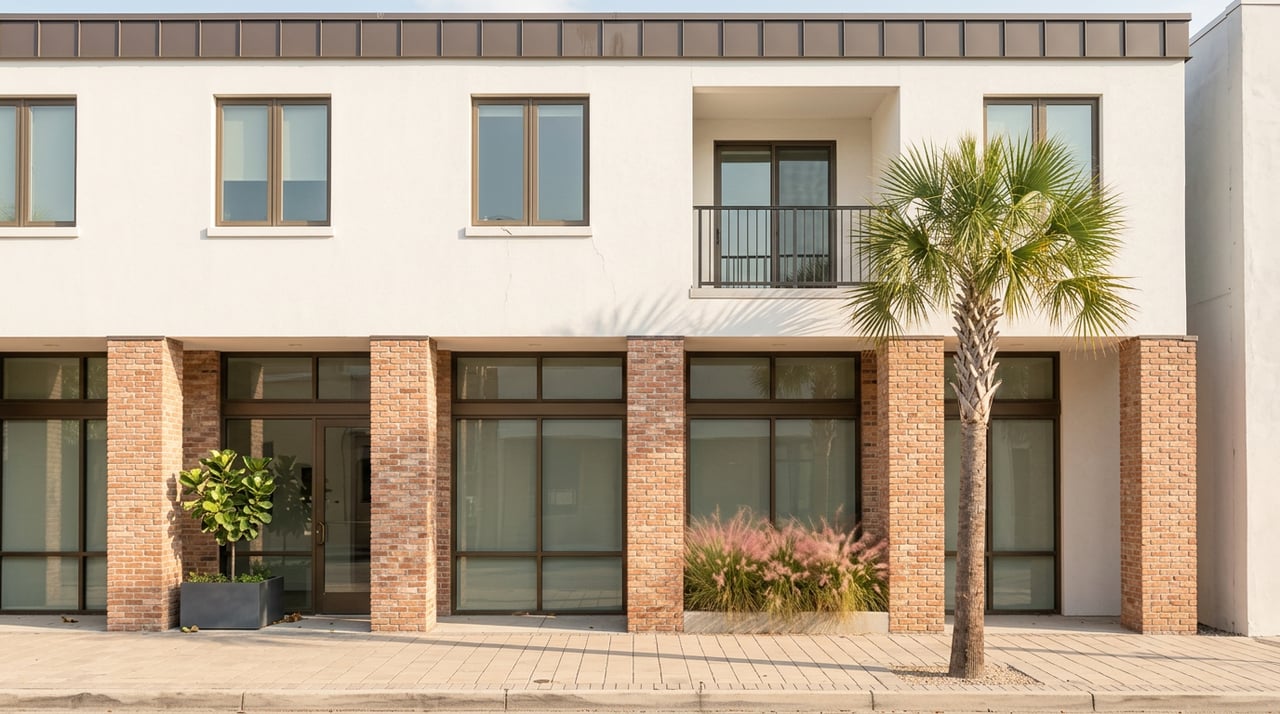
In Stuart, inland options are concentrated more around downtown and surrounding neighborhoods than along shoreline frontage. The City of Stuart CRA area includes historic downtown, East Stuart, areas north and south of the Roosevelt Bridge, and corridors along U.S. 1 and State Road 707. That creates a broader mix of established neighborhoods, redevelopment areas, and service-accessible locations.
If you want a home you can enjoy without managing water-specific features, inland may be the easier path. These properties often appeal to seasonal owners because they usually avoid dock and boatlift obligations and may reduce some of the direct tidal-flood exposure associated with shoreline properties. That can make coming and going feel simpler.
An inland home may be the better fit if you want:
Choosing inland does not mean giving up the water altogether. Stuart Beach and Bathtub Beach remain available for day use, and the county’s paddling trails and inlet resources are still part of the local lifestyle. For many second-home buyers, that balance is enough.
This is often where inland homes shine. You can enjoy Stuart’s boating, beaches, and riverfront amenities when you want them, while keeping your homeownership experience more streamlined.
Whether you buy on the water or inland, flood planning should be part of your decision early on. Martin County states that flood insurance is required for structures in Special Flood Hazard Areas, so verifying flood-zone status is one of the first practical steps to take. That is especially important near the shoreline, but it can matter inland as well.
Florida’s residential flood disclosure requirement adds another layer of clarity for buyers. The statute reminds buyers that homeowners insurance does not include flood damage. If you are purchasing a second home, that makes it even more important to understand the property’s risk profile before you get too far into the process.
Tax planning matters too, especially if you are buying for seasonal use. Martin County’s Property Appraiser states that homestead exemption applies only when the home is your permanent residence. The county also warns that residency-based exemptions cannot be claimed on another property.
In simple terms, a Stuart second home should generally be evaluated as a non-primary residence for property tax purposes. That is a basic but important part of budgeting, especially when you are comparing a higher-cost waterfront property with an inland option.
The best second home in Stuart is the one that matches how you will really use it. It helps to be honest about your habits, your time in town, and how much hands-on ownership you want. A beautiful view can be worth it, but only if the added responsibility fits your goals.
Here are a few questions to ask yourself:
If your second home is meant to center around boating, paddling, fishing, or coastal views, waterfront may deliver the experience you are after. If you want an easy seasonal base with fewer moving parts and reliable access to the broader Stuart lifestyle, inland may be the smarter fit.
Neither choice is universally better. The right answer depends on whether you value direct lifestyle access more than ownership simplicity.
Buying a second home in Stuart is about more than picking a property type. It is about matching your purchase to the way you actually want to live, travel, and spend time in Florida. If you want experienced local guidance as you compare waterfront and inland options, Matt & Kate Shaw can help you navigate the decision with a concierge approach tailored to your goals.
Dedicated to delivering personalized, concierge-style service with impeccable attention to detail.
Get in Touch With Our Team to Learn More
MATT & KATE SHAW
ADDRESS 9123 N MILITARY TRL STE 104 PALM BEACH GARDENS FL 33410