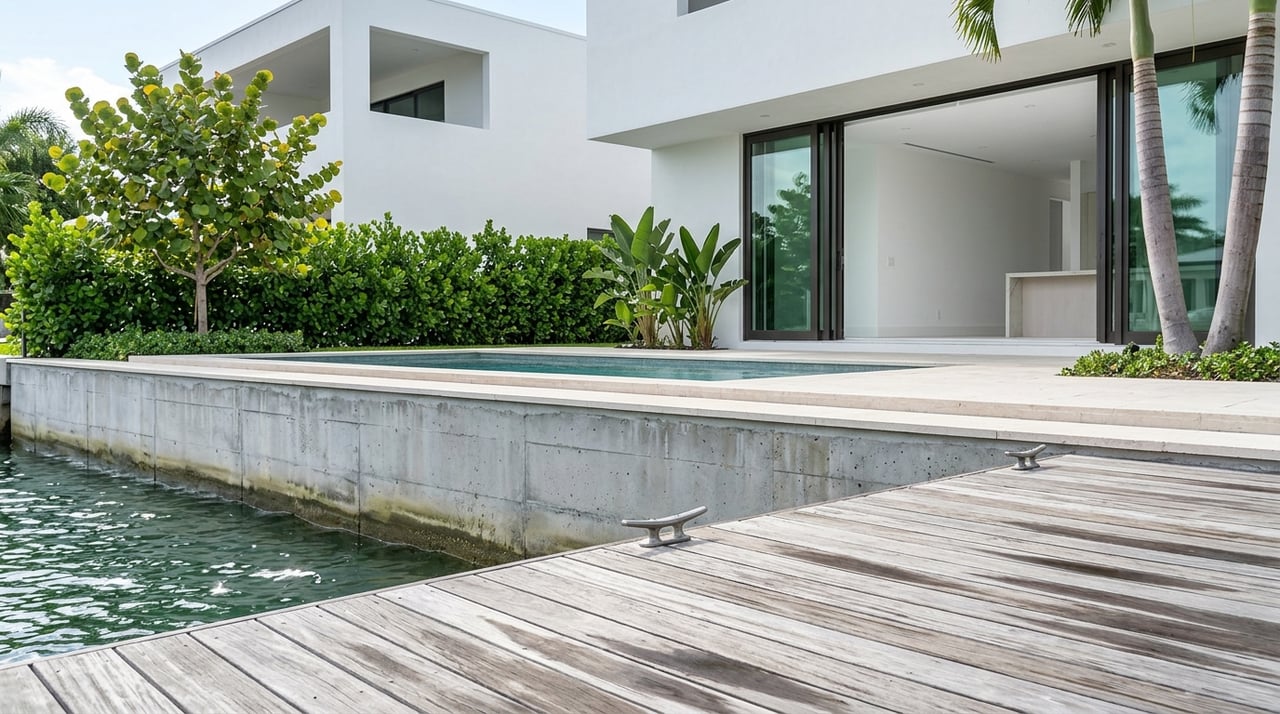
Palm City vs Stuart Homes for Your Martin County Move
Trying to choose between Palm City and Stuart for your first Martin County home? You are not alone. Both areas offer strong lifestyle appeal, but they feel very different once you look at housing, daily convenience, and how you actually want to live. This guide will help you compare the two so you can match your budget and routine with the right fit. Let’s dive in.
Palm City and Stuart serve different roles in Martin County. County planning materials describe Palm City as a larger, highway-connected area, while Stuart is the county seat with a more compact riverfront city center.
That difference shapes the home search right away. Palm City tends to feel more suburban and spread out, while Stuart offers a more downtown-oriented setting with a denser core.
If your first priority is budget, this may be the biggest dividing line. Census data shows Palm City has a median owner-occupied home value of $563,400, while Stuart comes in at $329,400.
That gap matters for first-time buyers and first-time Martin County buyers alike. In simple terms, Palm City generally sits at a higher price point, while Stuart may offer a lower entry point for many buyers.
Palm City has a very high owner-occupied rate at 89.7%. That points to a market with a strong base of primary homeowners and a housing profile that leans heavily toward detached homes.
County redevelopment material also describes a mix that includes quiet residential streets, modest single-family homes, higher-cost homes along the St. Lucie River, scattered multifamily housing, and newer planned developments on the edges. For many buyers, that means more opportunities to focus on single-family living.
Stuart has a lower owner-occupied rate at 58.9%, which reflects a more mixed housing environment. The city describes neighborhoods that include historic areas near downtown along with modern townhomes and condominiums.
If you want flexibility in property type, Stuart may feel easier to shop. You may find condos, townhomes, and smaller homes that open up more options at different price points.
Your first home is not just about square footage. It is also about how you want your everyday life to look once you unpack.
Palm City and Stuart offer different rhythms. One leans toward neighborhood living and regional access, while the other centers more around walkable waterfront activity and downtown energy.
Palm City’s lifestyle is more park-based and neighborhood-based. Martin County highlights places like Charlie Leighton Park on the south fork of the St. Lucie River, along with Palm City Place & Patio and Hawks Hammock Preserve.
You also have civic amenities such as the Peter & Julie Cummings Library and the Palm City Community Center. For buyers who want green space, river access, and a quieter everyday setting, Palm City may feel more natural.
Stuart’s waterfront experience is more concentrated near downtown. The city’s docks connect directly to the Riverwalk and historic downtown, where shops, restaurants, galleries, and entertainment are within walking distance.
The City of Stuart also notes more than 50 locally owned shops, restaurants, and galleries near the river. If you picture weekend walks, waterfront views, and easy access to local businesses, Stuart offers a more compact and active core.
How you move through the day can make a big difference in long-term satisfaction. This is another area where Palm City and Stuart separate clearly.
Census data shows a mean travel time to work of 31.8 minutes in Palm City and 24.6 minutes in Stuart. That does not tell the whole story, but it does help show how each place functions.
Palm City is closely tied to driving and highway access. County planning materials point to strong connections to both Florida’s Turnpike and I-95, which can be a major plus if your routine involves regional travel.
Palm City also has a low share of zero-vehicle households at 3.6%, which supports the idea that car use is central to daily life there. If easy highway access matters more than being near a downtown core, Palm City may be the better fit.
Stuart is a bit more compact and somewhat less car-dependent in its core. The Stuart Urban planning area has 8.7% zero-vehicle households, and the city operates a free TRAM system with downtown and East Stuart loops.
Martin County Public Transit is also fare-free and includes several service types, including commuter bus routes. If you value shorter local trips and more built-in downtown convenience, Stuart may feel easier to navigate day to day.
The better choice depends on what matters most to you. Neither area is universally better. The right answer usually comes down to trade-offs around budget, home type, and daily routine.
Here is a simple way to think about it.
If you are still deciding, focus on three practical questions. Your answers can quickly point you in the right direction.
Palm City’s housing values are notably higher than Stuart’s based on Census data. If staying closer to a lower purchase price is a key priority, Stuart may deserve a closer look first.
If you are hoping for a detached single-family home in a more residential setting, Palm City may line up better. If you are open to a condo or townhome and want more variety, Stuart may offer more paths.
If your ideal routine includes driving ease, neighborhood calm, and parks, Palm City may feel right. If you want to be closer to downtown waterfront activity and everyday amenities in a compact setting, Stuart may be the stronger match.
Choosing your first Martin County home is easier when you compare not just listings, but how each area supports your life. If you want help weighing Palm City against Stuart based on your budget, priorities, and timeline, Matt & Kate Shaw are here to guide you with clear local insight and a concierge-level approach.
Dedicated to delivering personalized, concierge-style service with impeccable attention to detail.
Get in Touch With Our Team to Learn More
MATT & KATE SHAW
ADDRESS 9123 N MILITARY TRL STE 104 PALM BEACH GARDENS FL 33410