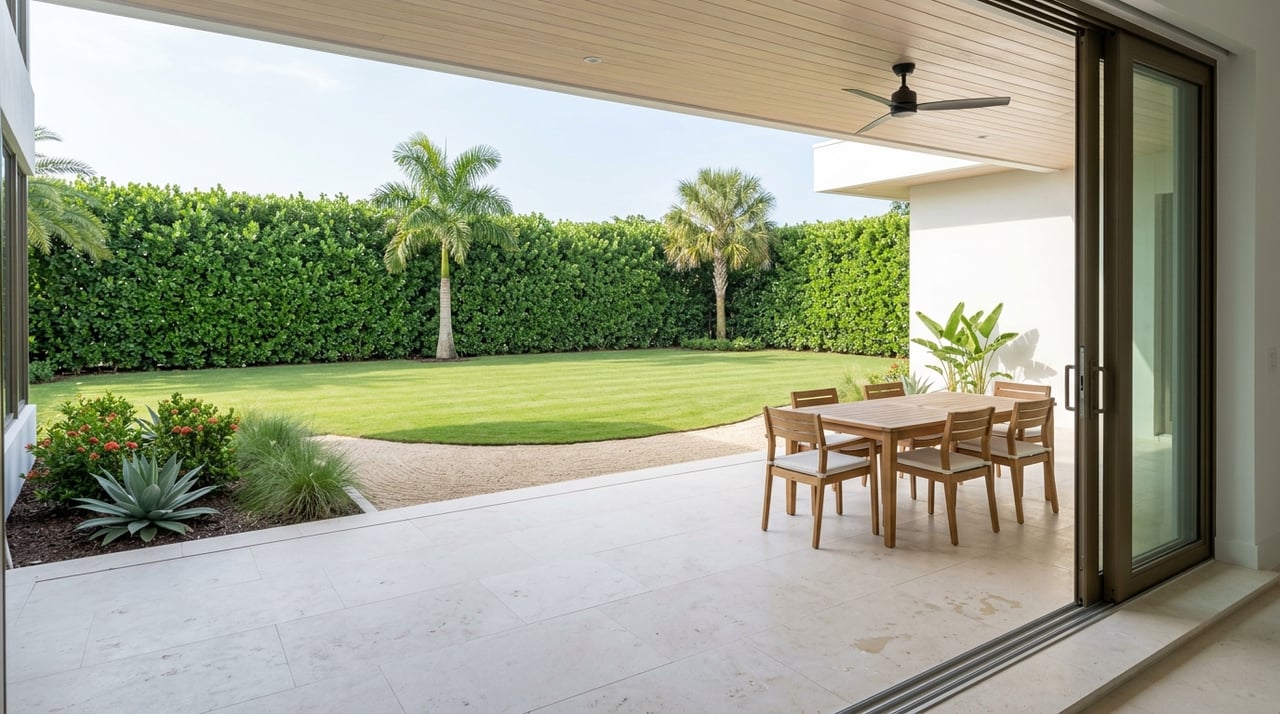
Jupiter FL Neighborhoods Guide for Golf, Beach, and Family Living
Trying to choose the right part of Jupiter can feel harder than choosing the right house. One area puts you close to golf and club amenities, another keeps the shoreline front and center, and another leans into parks, mixed-use convenience, and a more everyday neighborhood rhythm. If you are deciding where your lifestyle fits best, this guide will help you compare Jupiter’s golf, beach, and family-focused areas in a practical way. Let’s dive in.
Jupiter is not a one-style market. The town’s official materials show a strong coastal identity, but also a broad network of parks and neighborhoods that support many different day-to-day routines.
That matters because your best fit is not just about price or square footage. It is about how you want to spend a normal Tuesday, whether that means tee times and club dining, quick beach access, or sidewalks, playgrounds, and nearby daily conveniences.
Golf communities in Jupiter often appeal to buyers who want amenities built into their routine. These areas can offer a more structured lifestyle, with recreation, dining, and social spaces close to home.
At the same time, not every golf community works the same way. Home types, membership options, and amenity access can vary quite a bit from one community to the next.
Official community materials show that Jupiter golf areas can include a wide range of features:
For example, Admirals Cove presents a broad mix of property types, including custom waterfront and golf-view homes, villas, club cottages, and harbor homes. Jupiter Country Club highlights an 18-hole Greg Norman Signature Course along with dining, tennis, pickleball, bocce, fitness, and pools. Jonathan’s Landing also centers its identity around golf, racquets, wellness, dining, and marina-related activities.
One of the biggest planning points in Jupiter’s golf communities is access. Official club materials show that some communities have different membership categories, and some amenities may be bundled, optional, or separate from the home purchase.
Before you narrow your list, review:
This step matters because two homes with a similar location can come with very different ownership structures.
Golf areas usually work best for buyers who want an amenity-rich, social environment. In return, you should expect more documents to review, more rules to understand, and monthly carrying costs that may be more layered than in a typical neighborhood.
If you enjoy a club-centered lifestyle, that structure can be a major benefit. If you prefer a looser, simpler setup, you may want to compare it closely with other parts of Jupiter.
If your ideal day starts with salt air, sand, or water views, Jupiter’s beach and inlet-side areas may feel like the obvious fit. The Town of Jupiter says the town has about 3.4 miles of beaches, with shoreline features that include dunes, mangroves, and sea grape trees.
Beach living here is about more than a home near the ocean. It is also about access to public shoreline amenities, waterfront trails, and the rhythm that comes with living close to highly used coastal spaces.
Jupiter’s official beach and park materials show several public access points and guarded beach areas, including Jupiter Beach Park and DuBois Park. The town also designates a 2.5-mile dog-friendly beach stretch from marker 26 to marker 57, roughly between Marcinski Road and the Carlin Park line.
For many buyers, that means east-side living offers easy ways to enjoy the coast without planning your whole day around it. You may be able to work a beach walk, dog walk, or waterfront stop into your normal routine.
The Town of Jupiter describes Riverwalk as a multi-use, ADA-compliant trail that runs primarily along the eastern shoreline of the Intracoastal Waterway from Jupiter Ridge Natural Area to Jupiter Inlet. That is an important detail if you are comparing coastal areas.
In practical terms, beach and inlet-side living is often tied to everyday waterfront access and walkability, not just the features on your lot. For some buyers, that is the main draw.
Beach proximity can be exciting, but it also adds another layer of review. For east-side and beach-adjacent properties, flood-zone review should be part of your search from the start.
FEMA states that properties in mapped Special Flood Hazard Areas may require flood insurance when the mortgage is from a federally regulated or insured lender. That means your comparison should include more than the view or distance to the sand.
Look closely at:
Beach and inlet-side areas often offer the shortest path to the shoreline, but they can also feel more public and more seasonal. Because key beach areas are tied to public access points, guarded areas, and parking, you may experience more visitor traffic and less privacy than in an inland neighborhood.
Ownership can also come with more weather-related planning. For many buyers, the lifestyle is worth it, but it should be part of the decision.
If you want a more everyday residential feel, Jupiter’s master-planned neighborhoods may be the strongest match. These areas often combine housing variety, shared amenities, parks, and nearby services into a more neighborhood-centered lifestyle.
Abacoa is the clearest example. The Town of Jupiter describes it as a 2,055-acre, master-planned mixed-use community built around Traditional Neighborhood Development principles.
Abacoa is designed around a blend of residential living and daily convenience. Official neighborhood materials describe a varied housing mix and a broader community setup that includes retail, restaurants, coffee shops, grocery options, and Roger Dean Chevrolet Stadium within the Abacoa ecosystem.
That mixed-use format can be especially appealing if you want your home base to feel connected and practical, not just residential.
Official materials show that Abacoa includes different neighborhood formats and property types. Examples include:
This variety gives buyers several ways to enter the neighborhood model, depending on the home type and maintenance level they prefer.
Jupiter’s public recreation system also supports the family-neighborhood category. The Town says it has more than 25 parks within its borders, with some operated by the town and others by the county or through joint operations.
That is useful because neighborhood selection in Jupiter is not only about what sits behind a gate or inside an HOA. It can also be about your access to playgrounds, sports fields, public green space, and community events.
Planned neighborhoods often offer sidewalks, shared amenities, mixed housing types, and a clear sense of place. The tradeoff is that you will usually have an association structure to review.
That means you should still examine budgets, rules, and architectural standards carefully. A neighborhood may feel casual day to day, but the ownership structure can still be detailed.
No matter which Jupiter area you prefer, ownership structure matters. In Florida, condominiums and homeowners’ associations are governed under different statutory chapters, so your review process should match the property type.
For condos, Florida Chapter 718 applies. The DBPR buyer acknowledgment form for condo documents includes items such as the declaration, articles of incorporation, bylaws, estimated operating budget, and rules and regulations.
DBPR also states that structural inspection reports and reserve studies must be part of a condominium association’s official records and provided to potential purchasers. It further states that residential condominium buildings that are three habitable stories or higher must complete a structural integrity reserve study at least once every 10 years after creation, and for budgets adopted on or after December 31, 2024, certain associations may not waive reserve funding for covered items.
For HOAs, Florida Chapter 720 addresses records, budgets, fines, powers, duties, and architectural control covenants. In plain terms, that means you should review more than dues alone.
Focus on questions like:
If you are deciding between golf, beach, and family-focused areas, it helps to use the same framework for each option. Instead of asking which area is best, ask which one fits your routine best.
Here are four practical questions to guide your search:
That framework usually makes the decision clearer. A golf buyer may value built-in programming and social structure, a beach buyer may value shoreline access and waterfront walkability, and a neighborhood buyer may care most about parks, mixed-use convenience, and a steadier residential rhythm.
Jupiter offers credible options in all three categories, and each one serves a different kind of day-to-day life. Golf communities lean into amenities and club routines. Beach and inlet areas prioritize water access and coastal living. Family-focused neighborhoods support a more traditional residential pattern with parks, mixed-use features, and shared community spaces.
The right choice usually comes down to how you want to live, not just where you want to buy. When you match the property type, ownership structure, and lifestyle pace to your real priorities, your search becomes much easier.
If you want help comparing Jupiter neighborhoods, condos, golf communities, or coastal homes, Matt & Kate Shaw offer the local guidance and concierge-level support to help you move forward with confidence.


Dedicated to delivering personalized, concierge-style service with impeccable attention to detail.
Get in Touch With Our Team to Learn More

MATT & KATE SHAW
ADDRESS 9123 N MILITARY TRL STE 104 PALM BEACH GARDENS FL 33410