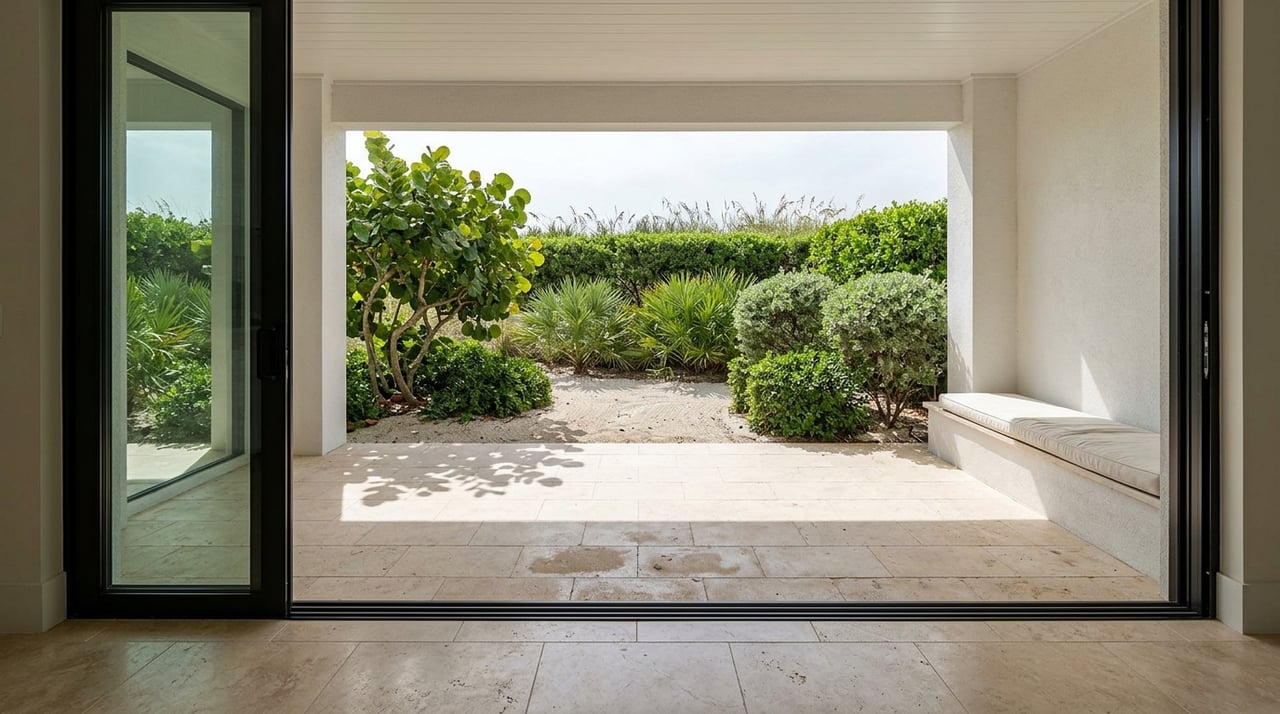
Exploring the Hobe Sound FL Lifestyle of Quiet Coastal Living
If you are drawn to South Florida’s coast but want a place that feels calmer, more residential, and less built around constant activity, Hobe Sound deserves a closer look. For many buyers, the challenge is finding a community with beach access and natural beauty without the busier feel of larger coastal hubs. This guide breaks down what gives Hobe Sound its quiet coastal lifestyle, who it tends to fit best, and what daily life may feel like once you are there. Let’s dive in.
Hobe Sound has the kind of pace that often stands out when you compare it with other coastal areas nearby. According to Census Reporter, Hobe Sound has 13,817 residents, and the community skews older, with a median age of 57. U.S. Census QuickFacts also shows that 34.2% of residents are 65 or older.
Those numbers help explain why the area often feels settled and established rather than fast-changing. QuickFacts also reports a 77.8% owner-occupied housing rate, and Census Reporter notes that 94.7% of residents lived in the same house a year earlier. In practical terms, that points to lower turnover and a more rooted, neighborhood-oriented environment.
Location also plays a role. Hobe Sound sits about 15 miles north of Jupiter and 20 miles south of Stuart, according to the Nathaniel P. Reed Hobe Sound National Wildlife Refuge visitor page. That in-between setting helps give it a quieter identity along the Treasure Coast.
A big part of Hobe Sound’s appeal is that so much of the local lifestyle centers on open space, preserved land, and low-key recreation. Instead of a dense entertainment district, you will find beaches, trails, paddling routes, and nature areas that encourage a slower rhythm.
For many buyers, that is the real draw. You are not just choosing a home. You are choosing how you want your everyday surroundings to feel.
One of the area’s biggest outdoor anchors is Jonathan Dickinson State Park. The official park site highlights more than 10,000 acres, 16 natural communities, the Loxahatchee River, and a wide mix of activities including hiking, biking, boating, paddling, horseback riding, camping, and wildlife viewing.
The park also includes Hobe Mountain, described by the state as the only place in South Florida where you can hike to the top of an ancient sand dune inside a state park. That kind of preserved landscape adds a lot to Hobe Sound’s identity. It gives the area a strong nature-first feel that many coastal buyers are looking for.
If beach access matters to you, Hobe Sound Beach is one of Martin County’s guarded beaches and is located at 1 SE Beach Road. The county lists lifeguard hours from 10:00 a.m. to 4:50 p.m. and also offers a beach wheelchair program there.
That matters because it shows the beach is not just scenic. It is also part of practical, everyday living for residents who want a simple, accessible place to enjoy the coast.
The Nathaniel P. Reed Hobe Sound National Wildlife Refuge adds another layer to the area’s character. Located two miles south of Bridge Road on U.S. 1, the refuge offers more than half a mile of sandy nature trails, a beach along the Indian River Lagoon, live-animal exhibits, and programs like turtle walks, scrub tours, and evening forums.
Martin County also maintains smaller natural spaces that support the same quiet, outdoors-focused lifestyle. Hobe Sound Scrub Preserve is a 28-acre preserve with rare sand pine scrub, trails, picnic space, and exercise stations. Kitching Creek Preserve includes a canoe and kayak launch, a paddling trail, and a pathway around the lake.
If you enjoy time on the water, Martin County’s Blueway paddling trails may stand out too. The county says its paddling network spans 37.7 miles, with a 16.2-mile Indian River Lagoon segment running between Jensen Beach and Hobe Sound.
Hobe Sound’s quiet reputation is not only about scenery. It also shows up in how everyday life tends to function. Data USA reports that 65.7% of workers drive alone, 17% worked from home, and the average commute was 28.5 minutes.
That data suggests a community where cars are part of daily life and routines tend to be predictable rather than hectic. The same source shows households average about two cars, while QuickFacts reports that 90.3% of households had a broadband internet subscription. For remote and hybrid workers, that combination can be appealing because it supports both at-home flexibility and easy local mobility.
The local dining scene also appears compact and neighborhood-oriented. The Hobe Sound Chamber directory includes places such as Penellie’s Cafe, Palm & Ivy Kitchen & Cocktails, Hobe Sound Deli, and Sound Brewing Company. That points to a smaller-scale mix of restaurants and cafes rather than a large nightlife corridor.
Another reason Hobe Sound feels quieter is that it appears to have a strong local civic identity. The Hobe Sound Chamber of Commerce says its signature events include the Christmas Parade and Festival of the Arts, and the organization has more than 450 active members.
That kind of recurring community activity can matter if you want a place that feels connected without feeling crowded. It reflects a local culture built around familiar annual events and ongoing community involvement, not just seasonal traffic.
Hobe Sound’s housing profile lines up with its overall character. U.S. Census QuickFacts reports a median owner-occupied home value of $394,700, 2.20 persons per household, and a homeownership rate of 77.8%.
The area is also described by Local Logic, as summarized in the research, as being made up largely of single detached homes. The same research notes that census-derived housing data shows detached homes as the largest structure type, along with a meaningful mobile-home presence and a mix of owner-occupied houses and condos that are often two- or three-bedroom units.
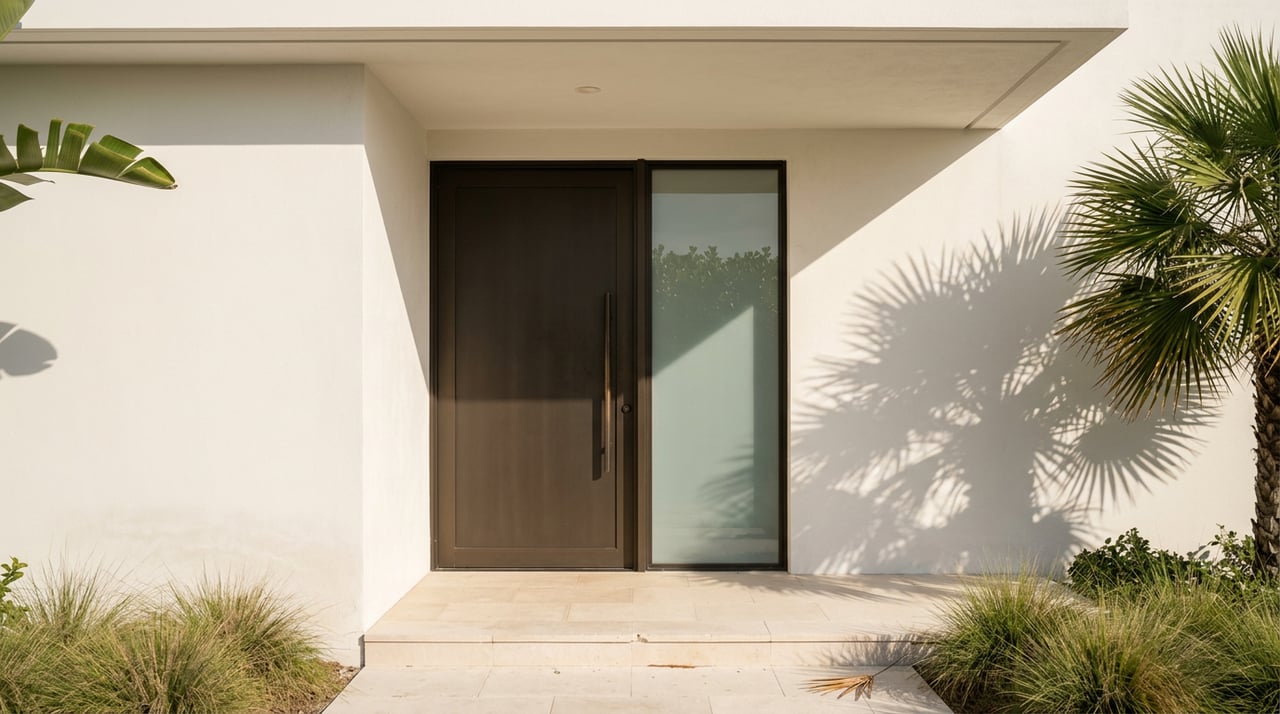
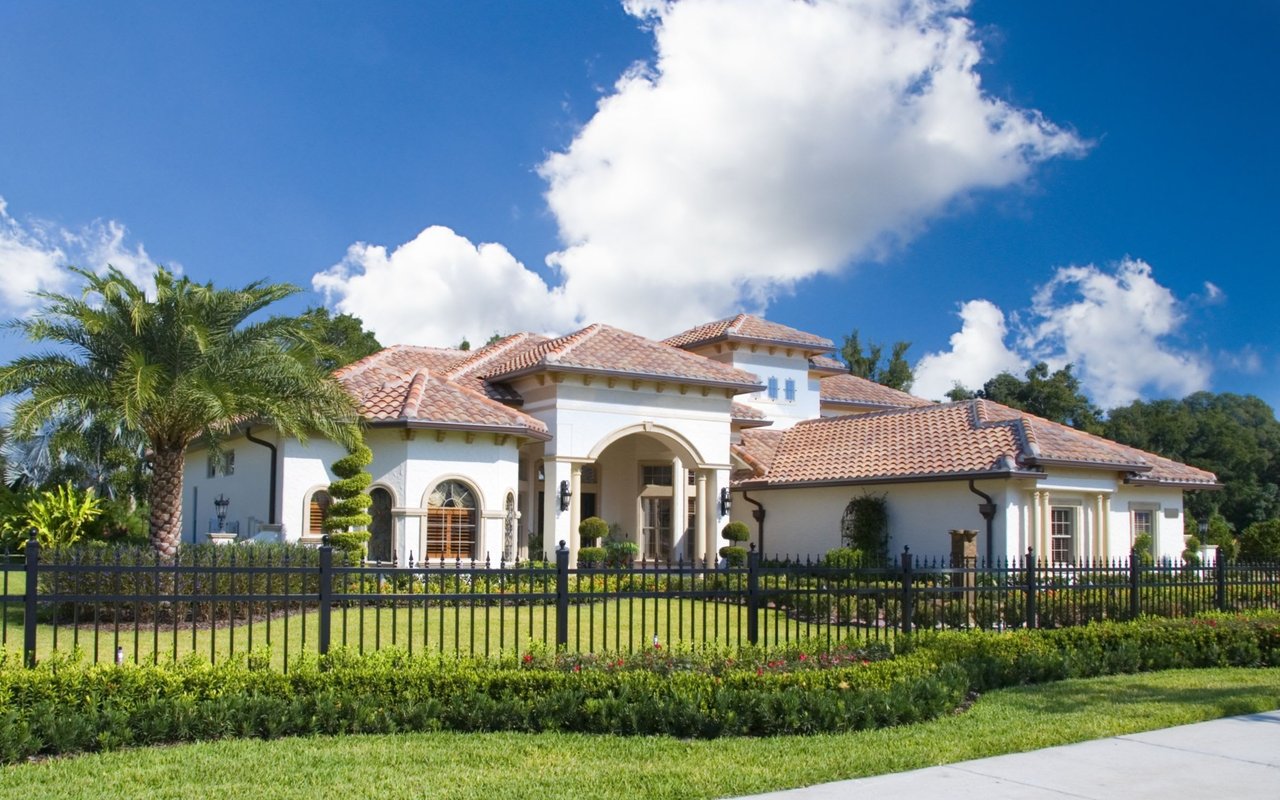
For buyers, that usually means Hobe Sound may feel less like a high-rise coastal resort market and more like a lower-density residential community. If you are hoping for a detached home, a more established setting, and a neighborhood feel, that housing mix may be part of the appeal.
Not every coastal town fits every buyer. Hobe Sound tends to make the most sense for people who value peace, outdoor access, and a more grounded day-to-day environment.
Based on the research, Hobe Sound may appeal to:
That does not mean Hobe Sound is only for one type of buyer. It means the area’s strongest lifestyle theme is balance: coastal access without a heavy resort feel, outdoor recreation without intense commercialization, and housing that supports a more settled pace of life.
When you are comparing coastal communities, the biggest difference is often not just price or square footage. It is the way a place feels once the novelty wears off and daily life begins. Hobe Sound stands out because its appeal seems to come from consistency, privacy, and access to nature rather than nonstop activity.
If that sounds like the kind of lifestyle you want, Hobe Sound may be worth putting on your shortlist. And if you want help comparing Hobe Sound with nearby coastal markets, Matt & Kate Shaw can help you narrow down the right fit with the kind of local, concierge-level guidance that makes the process easier from start to finish.
Dedicated to delivering personalized, concierge-style service with impeccable attention to detail.
Get in Touch With Our Team to Learn More
MATT & KATE SHAW
ADDRESS 9123 N MILITARY TRL STE 104 PALM BEACH GARDENS FL 33410