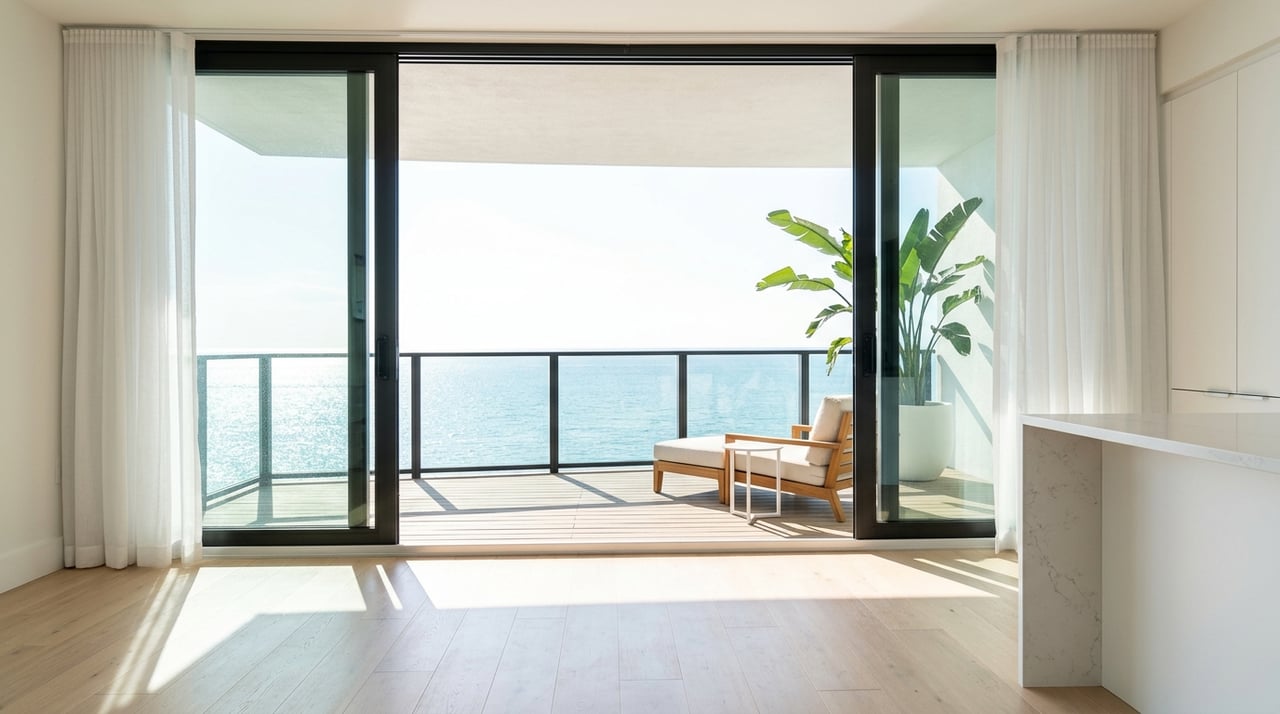
Seasonal Juno Beach Condos for Snowbirds: What to Know
Dreaming about a winter place by the water? Buying a beach condo in Juno Beach as a seasonal home can be a smart lifestyle move, but it also comes with details you do not want to overlook. If you want sunshine, beach access, and a lock-and-leave property, this guide will help you understand what to look for before you buy. Let’s dive in.
Juno Beach is a small barrier-island town in northern Palm Beach County with the Intracoastal Waterway on one side and the Atlantic Ocean on the other. According to the Town of Juno Beach 2024 financial report, the town covers just 2.65 square miles and has a permanent population of about 3,871.
That small scale is part of the appeal for many seasonal buyers. The same town report describes Juno Beach as a seasonal residential community with more than 3,000 residential units, and it notes that the seasonal population nearly triples from November through April. If you plan to spend the winter here, that means you are buying into a town that is built around exactly that kind of lifestyle.
For many buyers, the goal is simple: easy beach days, low-maintenance ownership, and a comfortable place to enjoy the season. Juno Beach supports that lifestyle well, especially if you want a smaller coastal town feel instead of a denser urban setting.
Beach access is a major part of daily life here. Juno Beach Park is open from 8 a.m. to sundown and offers picnic shelters, a play area, lifeguards, and the Palm Beach County pedestrian pier. Nearby Carlin Park also offers lifeguards, tennis, trails, and other recreation.
That said, winter popularity brings more activity. The town notes that nearby cities and tourist traffic also rise in the winter and early spring, and Juno Beach Park is a major beach-parking area. If you are shopping for a seasonal condo, convenience features like parking, building access, and how easily you can get around during peak season should be part of your decision.
Not every Juno Beach condo offers the same seasonal experience. In a barrier-island town, the best choice often depends less on raw distance and more on access, exposure, and how you plan to use the property.
An oceanfront building may offer the most direct beach access and the strongest water views. But a location closer to the ocean can also mean more salt, wind, and flood exposure. West-side or more inland options may trade immediate beach access for easier day-to-day circulation and, in some cases, simpler parking and entry patterns.
This is where local guidance matters. A condo that looks ideal online may feel very different once you consider how often you will walk to the beach, where guests will park, and how the building handles weather exposure.
Juno Beach is not a one-size-fits-all condo market. Town planning and finance documents describe a mix of condominium units, townhouses, single-family homes, mobile home parks, assisted living units, and newer infill multifamily projects.
For you, that means each community deserves its own review. Building age, maintenance history, reserve funding, and association rules can vary widely from one property to another. Two condos with similar square footage can come with very different ownership costs and responsibilities.
If you are buying on a barrier island, flood planning should be part of the process from day one. The town says the areas most prone to flooding include Pelican Lake, coastal areas and shoreline, and inland bodies of water. It also notes that heavy rain, tropical storms, and hurricanes can all create flood risk, and that the main evacuation route is U.S. Highway 1.
The town’s flood hazard guidance is especially important for seasonal buyers. It explains that flood insurance is separate from homeowners insurance, that Juno Beach offers residents a flood-insurance discount, and that flood insurance can have a 30-day waiting period before coverage becomes effective.
If you are buying a condo for seasonal use, ask early about:
For seasonal buyers, the condo association can shape your experience almost as much as the unit itself. Rules about rentals, pets, parking, and use restrictions matter even more when the property is not your full-time home.
Florida requires extensive resale disclosures for condominium purchases. Under Florida Statute 718.503, the seller must provide documents such as the declaration, articles, bylaws, rules, annual financial statement, annual budget, and FAQ document. If applicable, the package must also include the milestone inspection summary, the most recent structural integrity reserve study, and any turnover inspection report.
For contracts entered after December 31, 2024, the disclosure package must also identify whether required inspections or reserve studies are missing or completed. That can give you valuable insight into how current the building is on compliance and planning.
Rental rules are usually association-specific, and they matter a lot for a seasonal home. If you plan to use the condo part of the year and rent it at other times, make sure you know the exact policy, not just a general summary.
State law also makes lease restrictions part of the disclosure framework. Under Florida Statute 718.116, an association that can approve or disapprove leases may use delinquent assessments as a reason to deny lease approval. If rental flexibility matters to you, review the condo documents carefully before moving forward.
In Juno Beach, there can be more than just association rules to consider. The town’s forms and applications page includes a Vacation Rental Registration form, and town materials and meetings have included discussion of parking topics such as paid parking, resident decal parking, and off-street parking requirements for multifamily use.
The town also says there are no major transit stops within one-half mile of its corporate limits. For seasonal owners, that makes parking a very practical amenity. A condo with clear owner and guest parking rules may be much easier to enjoy during busy months.
If you are bringing a pet, check both the condo rules and the town rules. These are not always the same thing.
Town materials state that no dogs or other animals are allowed on beaches within corporate limits except service animals. So even if a building is pet-friendly, that does not necessarily mean your beach routine will be pet-friendly too. This is an easy detail to miss if you are focused only on the condo association documents.
Seasonal buyers often focus on location and views first. That makes sense, but the long-term cost of ownership deserves just as much attention.
Florida now requires structural integrity reserve studies for residential condominium buildings that are three habitable stories or higher. Under Florida Statute 718.112, the study must be done at least every 10 years and must cover key items such as the roof, load-bearing structure, fire protection, plumbing, electrical systems, waterproofing and exterior painting, windows and exterior doors, and other high-cost items that affect those systems.
For associations existing on or before July 1, 2022, the structural integrity reserve study deadline is December 31, 2025. If a milestone inspection is also due by December 31, 2026, the two may be completed together, but the reserve study cannot be done later than December 31, 2026.
In plain terms, this matters because reserve planning can affect your monthly costs and your exposure to future special assessments. Before you buy, review:
Under state law, special assessment notices must state the specific purpose, and the money collected can be used only for that purpose. Unit owners are liable for assessments while they own the unit, and delinquent balances can accrue interest and late fees if the governing documents allow. Associations can also record liens.
For a seasonal owner, that means a condo with an attractive list price is not always the better value. A careful review of the association’s financial condition can help you avoid surprises after closing.
A seasonal condo should be easy to leave, not stressful to leave behind. That is why storm preparation, security, and practical owner support matter.
The town’s flood and hurricane preparedness guidance says hurricane season runs from June 1 through November 30 and encourages residents to make evacuation plans, duplicate important documents, inventory valuables, and create a pet plan. Seasonal owners may also use the Juno Beach Police Department’s house-check request form when they are away.
If you will be out of state for much of the year, it helps to think through who will check on the property, how storm prep will be handled, and whether the building has clear procedures for shutters, access, package handling, and emergency coordination.
When you are comparing seasonal condos in Juno Beach, keep this checklist handy:
Buying a beach condo in Juno Beach can look simple on the surface. You find a view you love, choose a building you recognize, and picture your winter routine. But the right purchase usually comes down to details like association health, parking, flood exposure, and how easy the condo will be to own from a distance.
That is where local, hands-on guidance can make a real difference. If you are considering a seasonal condo in Juno Beach, Matt & Kate Shaw can help you evaluate the lifestyle fit, the building details, and the practical ownership questions that matter before you close.
Dedicated to delivering personalized, concierge-style service with impeccable attention to detail.
Get in Touch With Our Team to Learn More

MATT & KATE SHAW
ADDRESS 9123 N MILITARY TRL STE 104 PALM BEACH GARDENS FL 33410