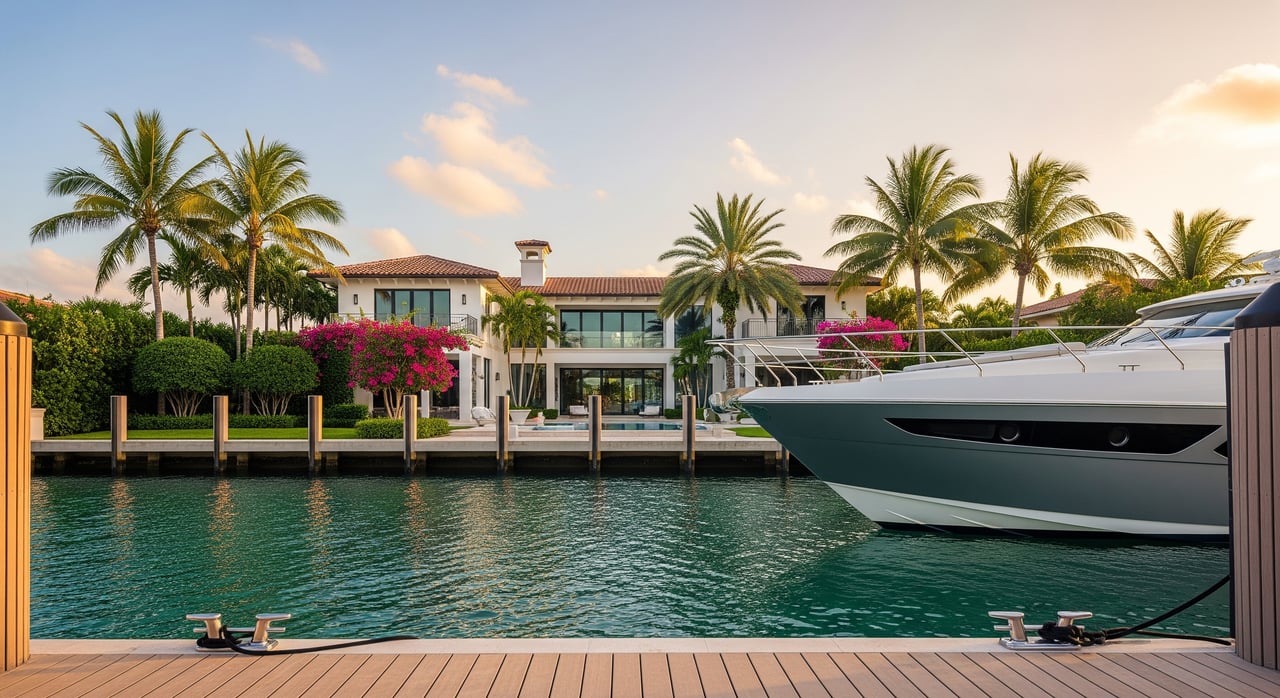
Buyer’s Guide to North Palm Beach Waterfront Communities
Shopping for a waterfront home in North Palm Beach is exciting, but choosing the right community for your boat can feel complex. You want easy access to the Intracoastal Waterway, the right slip for your vessel, and a lifestyle that fits how you actually use the water. The good news is you have great options if you match your boat and priorities to the right neighborhood features. In this guide, you’ll learn how to evaluate bridge clearances, canal depths, marina choices, HOA rules, storm planning, and costs so you can buy with confidence. Let’s dive in.
North Palm Beach sits on the Intracoastal Waterway between the Jupiter Inlet to the north and the Lake Worth Inlet to the south. Many homes line canals that lead to the ICW, which connects you to local cruising and offshore access. If you plan to run offshore often, the route to either inlet and typical conditions on those days will matter to your schedule and comfort.
Tides are moderate in Palm Beach County, but they still affect under‑keel clearance in canals and alongside docks. Shoaling can occur near inlets, bridge approaches, and canal mouths, and dredging may change depths over time. For deeper‑draft vessels, verify current depths and recent dredging before you commit to a slip.
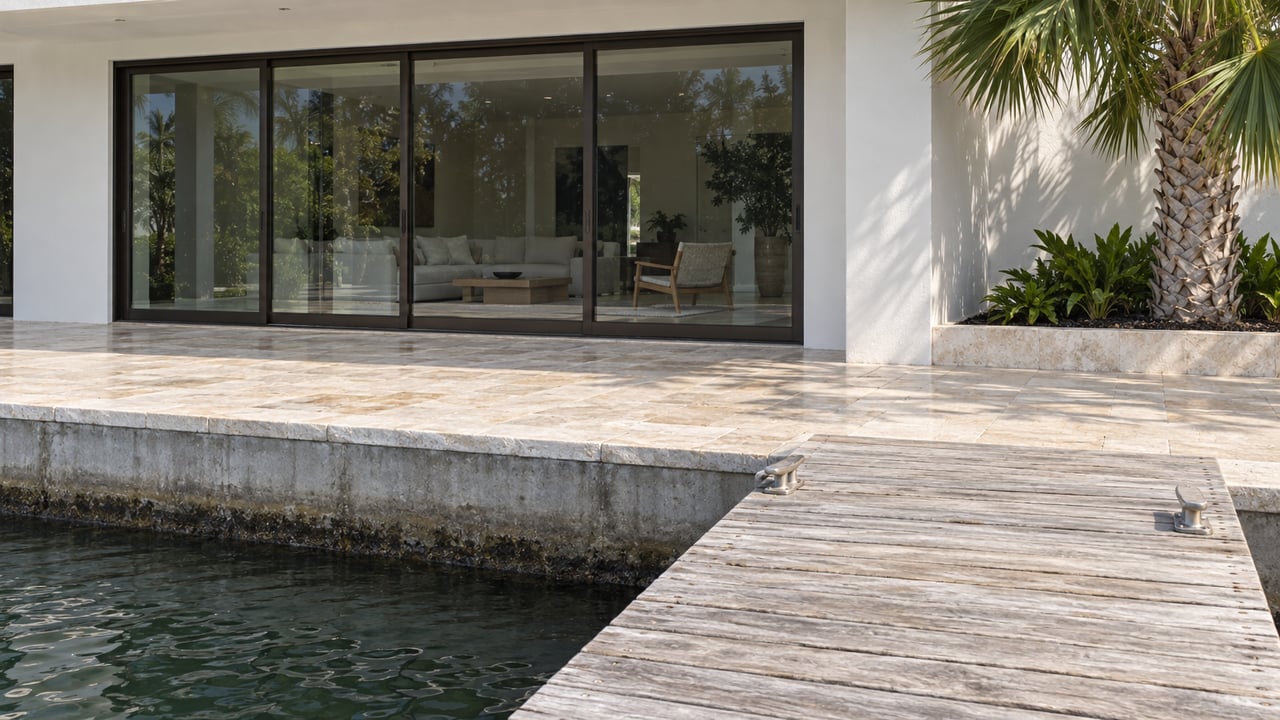
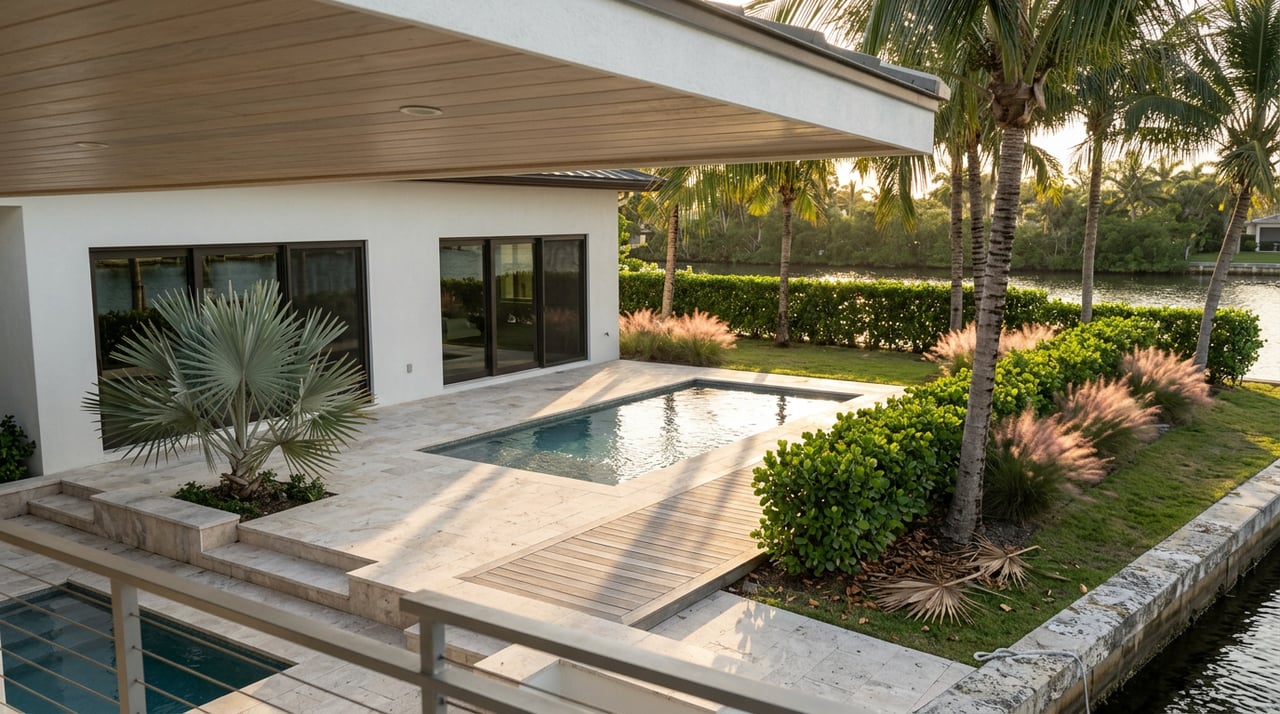
A deeded dock gives you direct control and everyday convenience. You can load up and go without leaving your property. The tradeoff is that boat size can be limited by lot frontage, canal width, and depth, and you are usually responsible for maintaining the seawall and dock structures. This setup often works well for center consoles and modest yachts. Very large yachts can be hard to fit on narrower canals.
Some neighborhoods offer shared docks or a marina within the community. Maintenance is centralized, and you may find guest slips and other amenities. Confirm slip assignment rules, waitlists, and any size limits. Review whether the slip conveys with the property or is leased separately, and ask about liveaboard policies and hours of use.
If you own a larger yacht or want professional support, a full‑service marina is often the best fit. Services may include fuel, pump‑out, haul‑out, repairs, security, and dry‑stack storage. Marinas vary in maximum slip length, beam capacity, and depth alongside, so confirm exact specs. For boats 50 feet and up, marinas with deep water and wide turning basins are typically more practical than narrow residential canals.
Moorings and designated anchorages are handy for short visits, but they are not a substitute for a permanent slip. Availability is limited and regulated. If you plan to rely on moorings, confirm local rules and seasonal policies.
Before you shop, know your vessel’s key dimensions: length overall, beam, draft, and air draft. These numbers determine whether you can clear bridges, fit in a slip, and turn comfortably in a canal or basin. For sailboats, mast height is a critical factor.
Bridges matter. Fixed bridges have a set vertical clearance, while bascule bridges open on schedules and may require notice. Your route to the ICW or inlet could include one or more bridges that limit access at certain tides or require timing your passes.
What to verify before you buy:
Practical guidance:
Confirm whether a slip is deeded with the home or leased. If it is leased or assigned by the HOA, ask about term, transferability, and any waitlist. Review size limits, liveaboard restrictions, guest slip policies, and rules for boat lifts or dock modifications. Ask whether HOA fees include seawall and dock maintenance or if special assessments are common.
Waterfront work is regulated. New docks, lifts, seawalls, and dredging may require permits from federal, state, county, and local agencies. Expect to coordinate with the U.S. Army Corps of Engineers, the Florida Department of Environmental Protection, Palm Beach County environmental offices, and the Town of North Palm Beach. Get written confirmation of any active permits or restrictions before you plan changes.
Seawalls age and can be costly to repair or replace. Check condition, recent repairs, and whether the structure meets current local standards for elevation and tiebacks. If a canal requires maintenance dredging, ask about history, cost sharing, and timing. Dredging is tightly regulated and expensive, so plan ahead if depth is marginal for your boat.
Budget for more than the slip. Typical line items include slip purchase or lease, utilities at the slip, lift or bottom maintenance, and marina services such as fuel and pump‑out. For older structures, factor in potential special assessments for seawalls and docks.
Insurance is a key part of the picture. Waterfront homes often sit in FEMA‑regulated flood zones, and lenders may require flood insurance. Your boat or yacht policy should meet minimum limits required by the marina or HOA. Some marinas add hurricane season requirements, such as haul‑out or removal from lifts during storms.
Storm preparedness brings peace of mind. Ask for the marina or HOA storm plan, including pre‑storm procedures, haul‑out capacity, and how liability is handled for dock damage. Also note environmental rules like manatee protection zones, seagrass protections that affect dock design and dredging, and pump‑out requirements that prevent pollution.
Use this list to capture key details for each property or marina you tour. Verify all numeric values with official sources and the marina or HOA in writing.
Dock and slip status
Water and navigation
Structure and maintenance
HOA or marina rules and fees
Insurance and storm plan
Permits and restrictions
Operations and lifestyle
You deserve a waterfront home that fits your boat and your lifestyle. With deep local roots and a concierge approach, we help you verify the details that matter most, from bridge clearances and canal depths to HOA rules, permits, and seawall condition. We coordinate the right experts, including marina managers, marine surveyors, and structural pros, and guide you through each step so you can enjoy the water faster.
If you are comparing canal homes, HOA communities, or marinas across Palm Beach County, we can set up targeted tours and provide practical guidance for out‑of‑state and local buyers alike. Ready to talk options and timing? Connect with Matt & Kate Shaw for a tailored plan.
Dedicated to delivering personalized, concierge-style service with impeccable attention to detail.
Get in Touch With Our Team to Learn More
MATT & KATE SHAW
ADDRESS 4658 Northlake BLVD STE 103 PALM BEACH GARDENS FL 33418